 Skip to content
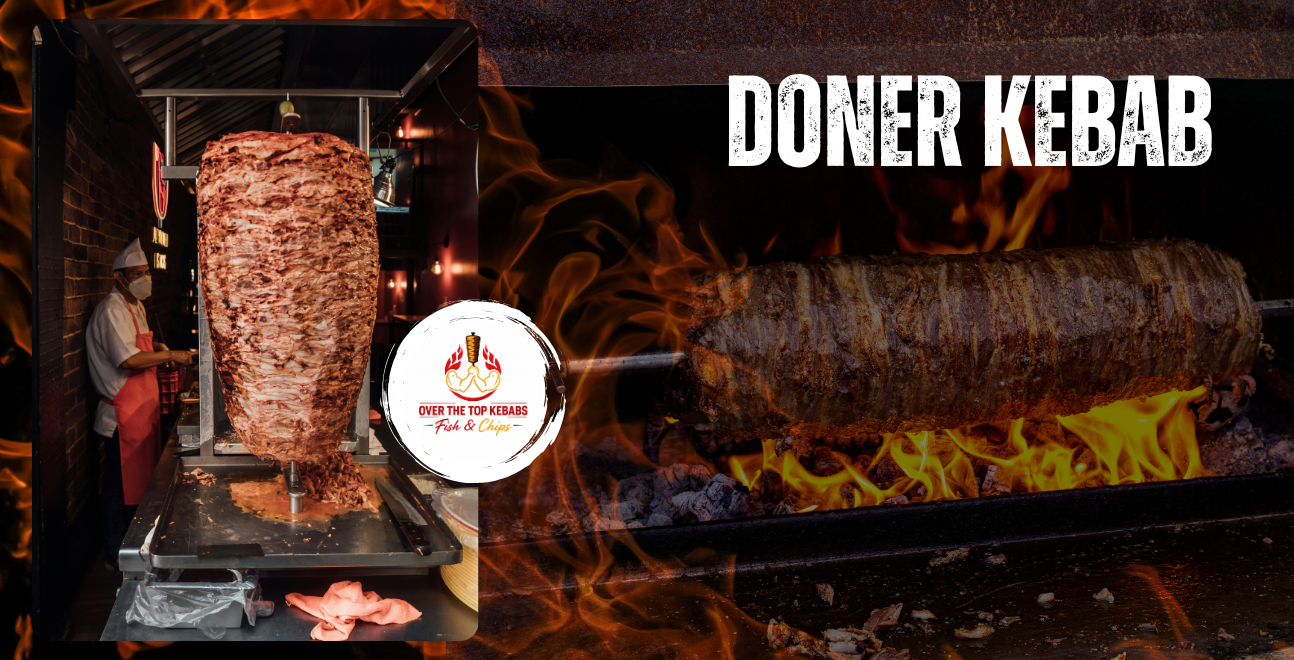
Doner kebab meat is usually lamb but today you might see beef, chicken, veal, or even a mix blend of them. Most of the time the meat is sliced super thin, or sometimes it’s just ground up, then it gets marinated with spices and little tricks.
After that it’s stacked on a vertical spit or rotisserie and slow roasted, like, for ages. A solid doner normally comes from whole cuts and has around 20–30% fat, though cheaper versions may rely on ground trimmings, extra add-ins, and binders too. It can feel kind of mild, almost understated, but once you spot it, it’s hard to unsee.
- Lamb = Traditional, rich, a little more fatty , and closest to that authentic Turkish vibe
- Beef = Hearty, easy to find, super popular in Germany and in Australia
- Chicken = Lean, mild tasting, marinated in yogurt, tavuk döner style
- Mixed = Lamb plus beef blend, for a more balanced flavor and firmer texture
- Veal = Tender, gentle flavor, and mainly seen in a few select European regions
Introduction
Walk past any kebab shop and you’ll spot it real quick: this tall spinning cone of meat, rotating slowly , edges getting crispier, juices kind of dripping. But the thing that really stops most folks is that they have no clue what’s actually in there. Is it lamb? Beef? Chicken? Or some blend they’d rather not know, you know?
And yeah, you’re not alone. There’s Reddit threads , and random Google searches, all saying the same basic question: “Without checking, do you know what kind of meat is in a Döner Kebab?” The answer is way more layered than people think. It matters, for your health, your taste buds, and honestly even your wallet too.
So this guide cuts through the haze. You’ll get the 5 real doner kebab meat kinds, how to notice good meat versus processed filler, a nutritional breakdown depending on which variety it is, and what to say exactly when you order. Whether you’re cooking at home , or stepping into Over the top kebab you won’t be left wondering what you’re really eating again.
What Is Doner Kebab Meat?
Döner kebab meat is basically seasoned meat, usually lamb , stacked in a tall vertical arrangement on a rotating spit and cooked slowly . The outside layer gets done first and then it is shaved off into very thin strips, then it ends up in bread or on a plate. The word döner comes from Turkish dönmek, meaning to turn, or just rotate in a more literal sense.
The Origin of Doner Kebab Meat
The story behind doner kebab starts in 19th-century Turkey, especially in Bursa, where Iskender Efendi is credited with using the vertical grill in the 1860s. At first , it was lamb only. Nowadays, in Istanbul you will see a lamb and beef blend quite often, and sometimes just beef, depending on price , or what people expect in that area.
How Doner Meat Is Cooked
The big thing with doner kebab is that vertical rotisserie. The meat is layered with fat and spices onto a central spit, kind of like building a cone. As the spit keeps turning next to a heat source, the outer part self bastes from its own melted fat, so it develops a crisp browned crust while the middle stays tender and juicy. The cooks shave off narrow vertical ribbons per order, and yeah the fresher the shave, the nicer the bite .
5 Doner Kebab Meat Types Explained
From the streets of Istanbul, to Berlin’s late night shops, doner kebab meat kinda changes a lot depending on region, budget, and tradition. So yeah, here are five versions, ranked from the most traditional vibe to the most modern.
Lamb Doner, The Original Gold Standard
Lamb is the traditional, and basically the definitive doner kebab meat. It has a rich, slightly gamey flavor plus a higher natural fat content, which is why it works so well with slow rotisserie cooking. The fat keeps rendering, like it’s basting the meat all the time, and that’s what gives you that signature melt in your mouth texture. In Turkey, lamb shoulder and leg are the usual picks. If you want something authentic, lamb is kinda non negotiable.
Beef Doner, The Hearty Alternative
Beef doner shows up a lot in Germany, Australia and many UK shops. The best cuts are ones with marbling, like brisket, chuck, or plate. They tend to stay tender, and juicy even after long roasting. Beef also carries spices like cumin and paprika in a bold way, so you get a robust, satisfying choice rather quickly.
Chicken Doner, (Tavuk Döner) The Lean Choice
Tavuk döner is Turkey’s lighter take on the classic. Most places prefer chicken thighs over breast meat, because the thighs keep moisture better during roasting, simple as that. The marinade often includes yogurt, lemon and milder spices. It’s the go to option for people who want something lighter, but still want the full doner experience you know.
Mixed Meat Doner, Lamb + Beef Blend
That 70/30 or 50/50 lamb beef blend is sort of the sweet spot for a lot of chefs. The beef brings structural support, plus a clean base flavor, while lamb adds depth and a richer kind of warmth. And lately this mix is getting more common, especially in higher quality European kebab shops, you’ll notice.
Veal Doner, The Tender Specialty
Veal shows up in a few select Central European and Turkish variations. It has a mild flavor and a really tender bite, which is why some diners choose it when lamb feels too strong for them. Veal doner is less common overall, but where it is available, people seem to really prize the delicate texture, and honestly it makes sense.
Doner Kebab vs Gyro vs Shawarma: Meat Differences
These three vertical spit cousins look kinda similar to the untrained eye, but the meat, spice and sauce profiles end up going in different directions real fast, like no joke
Doner vs Gyro Meat (Spice & cut comparison)
Doner usually uses lamb, beef, or chicken, all hit with cumin , paprika, and garlic. Gyro, the Greek cousin, often leans toward pork or chicken in Greece, but in US spots it’s pretty common to see beef or lamb instead. Gyro seasoning tends to feel more herbal and foresty, oregano thyme rosemary type vibes, while doner is more in that warm spice mood, you know
Doner vs Shawarma Meat (Marinade & texture)
Shawarma, the Levantine upgrade, goes heavy on layered marinades with cardamom, cinnamon, turmeric , and baharat. The meat is often marinated overnight , so the flavor actually sinks in more than most standard doner prep, for real
Regional Meat Variations by Country
| Country | Primary Meat | Serving Style |
| Turkey | Lamb / Lamb-Beef Mix | Plate with rice, or dürüm wrap |
| Germany | Beef / Veal | Flatbread with cabbage & garlic sauce |
| UK | Lamb / Mixed / Chicken | Pitta with salad & chili sauce |
| Australia | Beef / Lamb | Wrap with hummus & tabbouleh |
| Greece | Pork / Chicken (Gyro) | Thick pita with tzatziki & fries |
What part of the animal is doner meat? (A Butcher guide)
Not every cut is the same, like, at all. The exact section of the animal really decides texture, that juiciness thing,and also how reliably the slices stay together on the spit.
Best lamb cuts for doner (leg, shoulder, neck)
- Leg of lamb: Leaner, yet still flavorful, works best when combined with fattier bits
- Shoulder: A nice middle ground of meat and fat, the kind of choice people in Turkey keep using
- Neck: Packed with collagen, so after slow-roasting it turns unbelievably tender
Best beef cuts for doner (brisket, chuck, plate)
- Brisket: That rich fat cap self bastes on the rotisserie, almost on its own
- Chuck: Strong beef flavor, usually cheaper, and easy to find pretty much everywhere
- Plate (short rib area): Lots of fat, helps stop dryness before it even starts
Best chicken cuts for doner (thighs vs breast)
- Thighs: Normally the better option. More fat means juicier results,and it forgives mistakes
- Breast: Leaner, but it dries fast, so it’s only for short roasting cycles or similar quick cooking
Fat content: why 20–30% fat is not something you skip
Fat is basically the secret tool for a top doner. If you don’t have enough of it, like at least 20%, ideally 25–30% then the meat crumbles, goes dry, and the signature shave-able texture just disappears. Professional kebab spots use blends that are so fatty it kind of looks like it’s dripping. For home cooks , don’t ever really drop under 15% fat.
Is Doner Meat Processed? Spotting Quality vs. Filler
This is the question that keeps Reddit up at night. The answer: it depends entirely on where you buy it.
Real Doner: layered whole cuts
True doner is basically thin slices of marinated whole meat stacked, kind of like a spiral, onto the spit. When it’s sliced you can actually spot the distinct striations, those clear lines where meat meets fat, and it looks more “grainy” and natural. That’s the good stuff, basically the baseline.
Processed Doner: ground meat + extras, (the “Elephant Leg” vibe)
Most factory doner start with ground trimmings, then they blend in salt, onion powder, soya protein, and rusk, which is like a breadcrumb binder. After that, the blend is pressed into a cone shape. Some places even tuck in lamb skin between layers as a kind of adhesive, so it holds together. Then you get that famous “elephant leg” look, uniform, pale, and weirdly perfect , like too perfect .
3 little visual tells of premium doner, no matter the shop
- Grain and fat lines Real meat has texture , you’ll see it. Processed meat tends to look uniform like one solid paste.
- The cone isn’t “copy paste” . Hand-stacked meat is a little irregular, factory cones can look almost identical all the way around.
- How the shaving works Quality spots have to order, you can literally hear/see the fresh curls come off. Pre-sliced meat sitting in trays is a red flag, and it usually means less flavor.
The red flags that basically yell “low quality”
- pre-sliced meat under heat lamps, just waiting
- uniform color, no fat striations showing at all
- overly salty taste, it feels like they’re covering something
- suspiciously low price , like it undercuts what real meat costs
Doner Kebab Nutrition: Which Meat Type Is Healthiest?
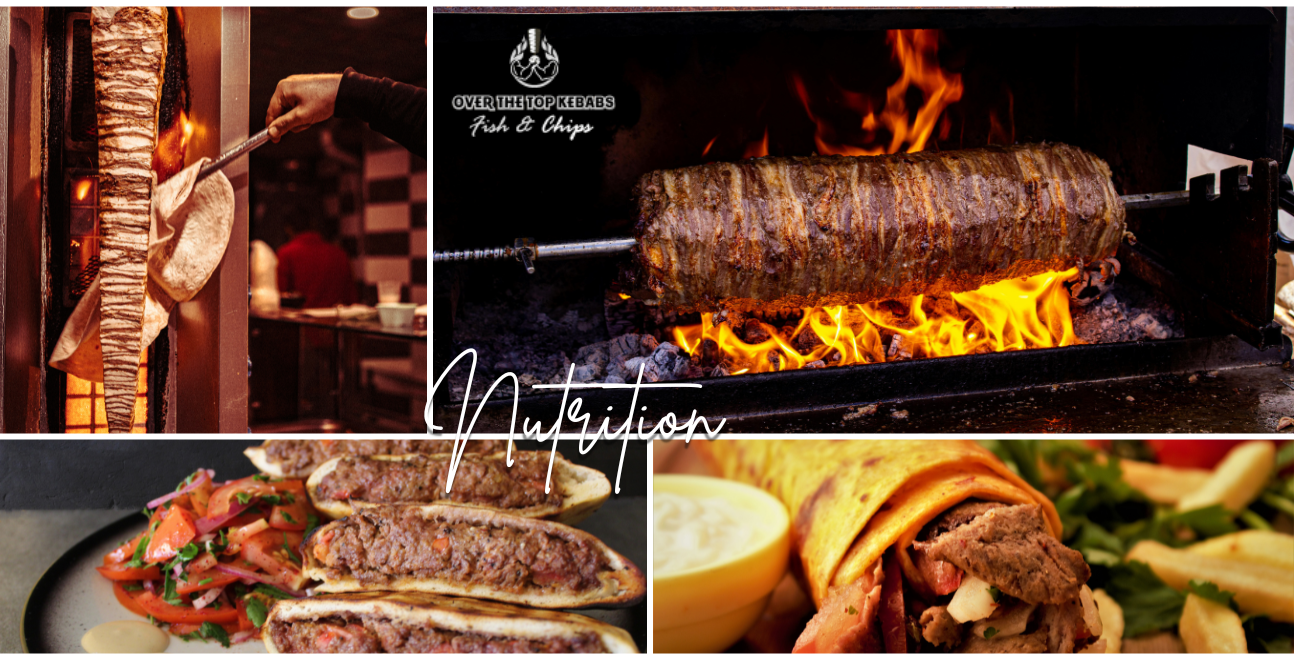
Doner kebab has a bad reputation but the health profile varies dramatically by meat type and preparation.
Calorie & Fat Comparison Table (Lamb vs. Beef vs. Chicken per 100g)
| Meat Type | Calories | Fat | Protein | Health Verdict |
| Lamb Doner | ~290 kcal | ~22g | ~22g | Rich, indulgent, higher saturated fat |
| Beef Doner | ~250 kcal | ~18g | ~24g | Balanced, hearty, moderate fat |
| Chicken Doner | ~180 kcal | ~8g | ~26g | Leanest option, lowest calories |
| Mixed (Lamb-Beef) | ~270 kcal | ~20g | ~23g | Middle ground |
Values approximate; vary by preparation and sauce.
Protein Content by Meat Type
Chicken doner leads in protein density at roughly 26g per 100g, making it the best choice for muscle recovery and satiety. Lamb and beef hover around 22–24g, still excellent but with more fat calories attached.
Sodium & Trans Fat: What the Data Says
A 2009 BBC investigation found that some UK doner kebabs contained up to 12g of salt (double the recommended daily intake) and up to 22% fat. However, 60% of tested kebabs were high in trans fat, the real villain. The fix: choose grilled lean meat, skip heavy sauces, and ask for extra salad.
How to Make Your Doner Order Healthier
- Request chicken or lean beef instead of lamb
- Ask for less sauce or choose yogurt-garlic over chili cream
- Load up on salad and vegetables
- Choose a plate or bowl over a wrap to cut carbs
- Split a large portion shop servings often exceed daily calorie needs
Doner Kebab Ingredients: What Goes Into the Meat?

Beyond the protein itself, the spice and marinade profile defines the flavor.
Core Spice Blend (Cumin, Paprika, Coriander, Garlic)
Traditional doner seasoning relies on warm, earthy spices: cumin, paprika, ground coriander, garlic powder, black pepper, and dried oregano. Some Turkish recipes add a pinch of cinnamon for depth.
Marinade Bases (Yogurt, Oil, Vinegar, Onion)
- Yogurt: Tenderizes meat and adds tang (essential for chicken doner)
- Oil: Carries fat-soluble spices and prevents sticking
- Onion & garlic: foundational aromatics that penetrate deep into the meat
Fillers & Binders (When They’re Used & Why)
Commercial producers use soya protein, rusk, and salt as binders and bulkers. These aren’t inherently dangerous, but they dilute meat content and add sodium. An authentic doner has zero fillers.
5 Common Doner Kebab Mistakes (And how to avoid them)
Mistake 1: Picking the wrong meat cut
Lean cuts like lamb leg or chicken breast end up dry on the rotisserie. Try choosing a fattier section, or toss in supplementary fat , like a little extra trim, before it gets layered up
Mistake 2: Skipping the fat (lean = dry doner)
Fat isn’t just “extra”, it’s the structure. If you go under 20–30% fat, the slices won’t behave right, they’ll slice poorly and end up crumbly. kind of a mess, really
Mistake 3: Marinade that’s under-seasoned
Doner gets shaved thin, so each bite carries way less seasoning than you’d expect. so the base meat has to be properly seasoned, almost stronger than you think it should be.
Mistake 4: Leaving it on the spit too long
The outside layer wants caramelized edges, while the inside stays juicy , and yes slightly pink. Once it overcooks, texture gets ruined and the flavor flattens out.
Mistake 5: Treating doner like gyro meat
Using gyro style seasoning, usually oregano-heavy and more herbal, on doner will give you the wrong vibe. stick to cumin , paprika , and coriander for something closer to authentic doner taste
Where to Buy Real Doner Kebab Meat (Shopping Guide)
What to Ask Your Butcher
- “Do you have lamb shoulder or neck with good fat content?”
- “Can you mince brisket and chuck together for me?”
- “Do you stock halal-certified lamb?” (if required)
Online Sources for Authentic Doner Meat
Specialty Mediterranean butchers and halal meat suppliers often sell pre-marinated doner blocks for home rotisseries. Look for suppliers who disclose meat origin and fat percentage.
Why Restaurant Doner Often Tastes Better Than Store-Bought
Professional shops use vertical rotisseries that self-baste continuously, access higher-fat meat blends not sold in supermarkets, and shave meat fresh to order something no pre-packaged product can replicate. At Ottkebabsfishandchips Menu, we prepare our doner daily using traditional methods and premium cuts.
Frequently Asked Questions About Doner Kebab Meat Types
What animal is doner kebab meat from?
Doner kebab meat is usually from lamb, but lately people also do beef chicken, veal , or some kind of mixed blend. So yeah, the animal can change a lot depending on the area and on that one shop’s “own way” recipe, you know.
Is doner kebab halal?
It can be halal, if it’s made with Islamic rules, and uses certified halal meat. You should still ask the vendor though, because not every place uses halal-certified sources, and sometimes they say “kind of” but it’s not official, like at all.
Is doner meat bad for you?
Not automatically, no. If it’s “bad” depends on which meat you’re using, how much fat it has, and how much you eat. Chicken doner tends to be leaner and higher in protein, while lamb doner usually has more saturated fat. Also try to go light on heavy sauces and those big portions, please.
What is the fake meat in doner kebab?
The “fake” doner is often processed meat, like ground trimmings mixed with fillers. Stuff like soy protein, rusk, and binders can show up. Real doner is more like whole cuts layered on the spit, not just a paste situation.
What part of lamb is doner meat?
Most people use shoulder, leg, and neck. Shoulder gives a pretty nice fat-to-meat balance, leg is leaner but still flavorful, and neck has collagen that softens as it cooks, it’s basically slow roasted magic.
Can you make doner kebab at home without a rotisserie?
Yes, you can. The usual viral method is the sheet pan thing, where you bake thin, seasoned layers, then shave them after and pan-fry. It doesn’t need a true rotisserie, but the texture can come out close enough.
What is the difference between kebab and doner?
“kebab” is sort of a wide umbrella term for grilled or skewer style meat dishes. Doner is the specific kind cooked on a vertical spit, then shaved off. So, all doner fits under kebab, but not all kebab is doner, ok?
Why is lamb considered the best meat for doner?
Lamb has natural fat and a richer flavor, which works really well for slow rotisserie cooking. The fat keeps rendering as it goes, kind of like self-basting the meat, and that’s how you get that tender juicy bite people expect.
What spices are used in doner kebab meat?
Most spice mixes include cumin, paprika, ground coriander, garlic powder, black pepper, and oregano. Some recipes throw in cinnamon or allspice too, for that extra warm little note.
How can I tell if my local shop uses real doner meat?
Try to look for fat streaks, a not-too-uniform hand-stacked shape, and whether they shave it fresh on demand. Red flags are super uniform pale coloring, pre-sliced meat sitting under heat lamps, or pricing that seems suspiciously low.
Final Verdict
Doner kebab meat isn’t some secret thing, it’s a tradition with rules. From the lamb shoulders of Istanbul to the beef briskets of Berlin, every style has its own flavour story. The main bits are pretty straight forward: lamb stays traditional, fat is essential, and quality shows in the shave.
If you’re trying to find the healthiest option (chicken) , the most authentic choice (lamb) , or you just wanna know what you’re actually eating, this guide gives you the know-how to order with confidence.
Ready to taste the difference real meat makes?
Visit: Over the top kebab Menu for authentic doner kebab made fresh daily with premium cuts, traditional spices, and zero shortcuts.
Trusted Reference: According to the BBC’s investigative reporting on doner kebab nutrition, some UK kebabs contained up to 22% fat and 12g of salt per serving underscoring why meat quality and portion awareness matter.
